
 Image 1 of 1
Prepare for Success in Aviation Maintenance Careers
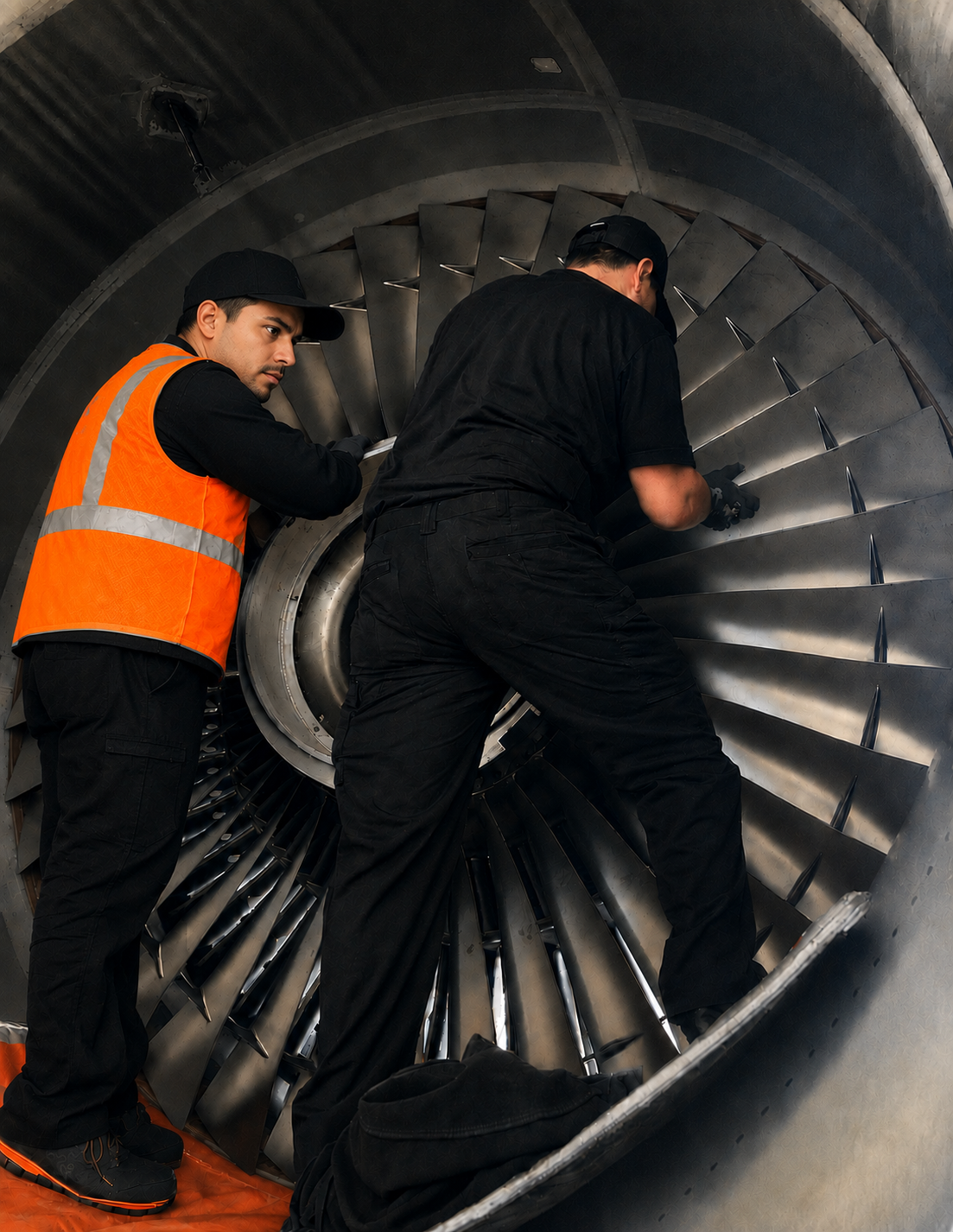
This course is designed to help students develop the fundamental mechanical aptitude skills with the addition of hands-on assembly techniques that aviation employers often evaluate during the hiring and screening process. Students will learn how to interpret assembly instructions, select and properly use common hand tools, and assemble mechanical components while following industry-standard procedures.
Through a combination of mechanical reasoning exercises, practical assembly projects, and real-world problem-solving scenarios, participants will build confidence in areas such as basic mechanics, tools and hardware identification, measurements, force and motion, gears and pulleys, spatial reasoning, and troubleshooting techniques.
Special emphasis is placed on the safe and proper use of tools commonly found in aviation maintenance and manufacturing environments, including multimeters, wrenches, sockets, torque wrenches, measuring devices, drills, and specialty tools. Students will also learn proper assembly techniques, fastener identification, torque application, quality inspection methods, and attention to detail—skills that are highly valued by aviation employers.
Participants will gain a better understanding of the types of mechanical aptitude and practical assembly tasks commonly encountered during pre-employment assessments and learn strategies for completing them accurately and efficiently.
Develop core mechanical reasoning skills
Learn proper tool selection and usage techniques
Practice assembling mechanical components using written instructions
Understand fasteners, hardware, and assembly methods
Improve measurement and inspection skills
Build problem-solving and troubleshooting abilities
Gain familiarity with aviation-industry style aptitude and practical assessments
Increase confidence for employment screening evaluations
Prepare for entry-level aviation maintenance, manufacturing, and technical careers
Mechanical Aptitude Fundamentals
Tool Identification and Proper Usage
Reading Assembly Instructions and Drawings
Fasteners, Hardware, and Torque Application
Component Assembly Techniques
Precision Measurement and Inspection
Mechanical Systems and Principles
Troubleshooting and Problem Solving
Workplace Safety and Best Practices
Employment Assessment Preparation
Prepare for Success in Aviation Maintenance Careers
This course is designed to help students develop the fundamental mechanical aptitude skills with the addition of hands-on assembly techniques that aviation employers often evaluate during the hiring and screening process. Students will learn how to interpret assembly instructions, select and properly use common hand tools, and assemble mechanical components while following industry-standard procedures.
Through a combination of mechanical reasoning exercises, practical assembly projects, and real-world problem-solving scenarios, participants will build confidence in areas such as basic mechanics, tools and hardware identification, measurements, force and motion, gears and pulleys, spatial reasoning, and troubleshooting techniques.
Special emphasis is placed on the safe and proper use of tools commonly found in aviation maintenance and manufacturing environments, including multimeters, wrenches, sockets, torque wrenches, measuring devices, drills, and specialty tools. Students will also learn proper assembly techniques, fastener identification, torque application, quality inspection methods, and attention to detail—skills that are highly valued by aviation employers.
Participants will gain a better understanding of the types of mechanical aptitude and practical assembly tasks commonly encountered during pre-employment assessments and learn strategies for completing them accurately and efficiently.
Develop core mechanical reasoning skills
Learn proper tool selection and usage techniques
Practice assembling mechanical components using written instructions
Understand fasteners, hardware, and assembly methods
Improve measurement and inspection skills
Build problem-solving and troubleshooting abilities
Gain familiarity with aviation-industry style aptitude and practical assessments
Increase confidence for employment screening evaluations
Prepare for entry-level aviation maintenance, manufacturing, and technical careers
Mechanical Aptitude Fundamentals
Tool Identification and Proper Usage
Reading Assembly Instructions and Drawings
Fasteners, Hardware, and Torque Application
Component Assembly Techniques
Precision Measurement and Inspection
Mechanical Systems and Principles
Troubleshooting and Problem Solving
Workplace Safety and Best Practices
Employment Assessment Preparation